Unlocking Creativity with Float Icon: A Versatile Tool for Modern Design
What is Float Icon?
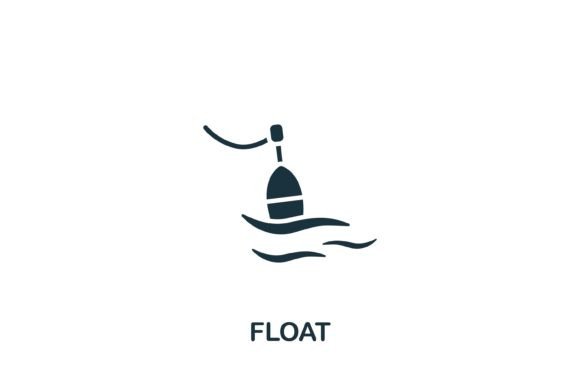
Float Icon is a dynamic and versatile design element that has been gaining significant traction in the world of web design, infographics, and branding. This simple yet powerful line element, often featuring a fishing symbol, offers a unique way to add visual interest and functionality to your projects. With its clean, minimalist aesthetic, Float Icon is not just an icon; it's a tool that can elevate the user experience and enhance the overall design of your digital and print materials.
The Rise of Minimalist Design and Its Impact on Float Icon
In recent years, minimalist design has become increasingly popular, driven by the need for clarity, simplicity, and a more intuitive user experience. This trend aligns perfectly with the ethos of Float Icon, which embodies the principles of minimalism. The clean, uncluttered lines of the fishing symbol make it an ideal choice for designers looking to create a modern, sleek look without overwhelming the viewer.
Why People Are Paying Attention to Float Icon
There are several reasons why professionals, creators, and enthusiasts are turning to Float Icon:
- Visual Appeal: The simple, elegant design of the fishing symbol adds a touch of sophistication and charm to any project.
- Versatility: Whether you're working on a website, infographic, or printed material, Float Icon can be easily integrated and customized to fit your needs.
- User Engagement: The floating nature of the icon can draw the user's eye and guide them through the content, enhancing the overall user experience.
Changing Needs and Preferences in the Digital Age
As the digital landscape continues to evolve, so do the expectations of users. Today's consumers demand more than just functional websites and apps; they want engaging, visually appealing, and seamless experiences. Float Icon addresses these changing needs by providing a subtle yet effective way to enhance the visual and interactive elements of your designs.
Practical Examples and Observations
Consider the following scenarios where Float Icon can make a significant impact:
- Web Design: Use Float Icon as a call-to-action button that floats over a section of your website, guiding users to important information or actions.
- Infographics: Incorporate Float Icon into your infographics to highlight key data points or to create a visually cohesive flow.
- Branding and Logos: Integrate the fishing symbol into your brand identity to create a memorable and distinctive logo that resonates with your audience.
Connecting to Larger Developments in the Industry
The rise of Float Icon is part of a broader shift towards more user-centric and visually driven design. As technology advances and consumer preferences evolve, the tools and techniques used by designers must adapt to meet these new demands. Float Icon, with its ease of use and versatility, is well-positioned to play a crucial role in this transformation.
Easy to Edit and Use
One of the key advantages of Float Icon is its accessibility. You will receive multiple file formats, including EPS, JPG, AI, and SVG, making it easy to edit and integrate into your projects. Whether you're using Adobe Illustrator, Photoshop, or other design software, Float Icon can be seamlessly incorporated and customized to fit your specific requirements.
Conclusion
Float Icon is more than just a design element; it's a powerful tool that can help you create engaging, visually appealing, and user-friendly designs. By embracing the minimalist and versatile nature of Float Icon, you can stay ahead of the curve and meet the evolving needs and preferences of your audience. Whether you're a professional designer, a creative entrepreneur, or a marketing enthusiast, Float Icon offers a valuable addition to your design toolkit.