Understanding and Utilizing the Asexual Icon: A Comprehensive Guide
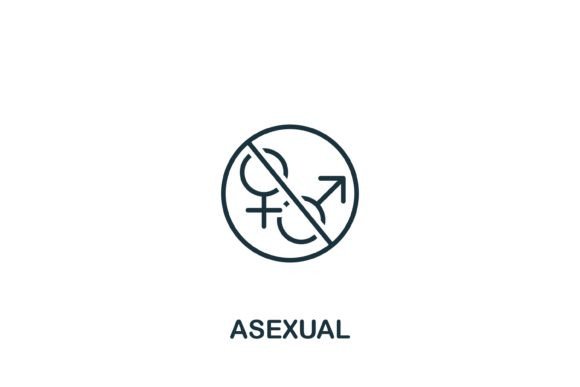
The Asexual Icon is a simple yet powerful symbol that represents asexuality, a sexual orientation characterized by a lack of sexual attraction. This icon, often seen in LGBT+ contexts, is not just a visual representation but a tool for inclusivity and recognition. Whether you're a designer, marketer, or someone looking to support the asexual community, understanding and using this icon effectively can make a significant impact.
Why the Asexual Icon Matters
The Asexual Icon, with its distinctive design, serves as a unifying symbol for a diverse and often underrepresented community. It helps in creating a sense of belonging and visibility, making it an essential element in various projects, from web design to infographics. The simplicity of the line element makes it versatile and easy to integrate into different designs, ensuring that the message of inclusivity is clear and impactful.
Common Mistakes When Using the Asexual Icon
While the Asexual Icon is straightforward, there are several common mistakes that can detract from its intended purpose and effectiveness. Here are some key areas where people often go wrong:
- Misunderstanding the Symbol's Meaning: One of the most frequent errors is misinterpreting the icon. It's crucial to understand that the Asexual Icon specifically represents asexuality, not other identities within the broader spectrum of sexuality.
- Poor Quality Files: Using low-resolution or poorly designed versions of the icon can make your project look unprofessional. Always opt for high-quality vector graphics to ensure clarity and sharpness.
- Incorrect Color Usage: The colors used in the Asexual Icon (black, gray, white, and purple) are symbolic. Altering these colors can change the meaning and may confuse or mislead viewers.
- Lack of Contextual Relevance: Including the Asexual Icon without proper context can be misleading. Make sure the icon is used in a way that clearly supports and respects the asexual community.
Avoiding These Mistakes
To avoid these pitfalls, here are some practical tips:
- Educate Yourself: Before using the Asexual Icon, take the time to learn about what asexuality means and why the icon is important. This knowledge will help you use the icon more thoughtfully and respectfully.
- Use High-Quality Vector Graphics: Ensure you have access to high-quality files. You will typically receive EPS, JPG, AI, and SVG formats, which are easy to edit and use in various design software.
- Respect the Original Design: Stick to the original color scheme and design. If you need to make adjustments, do so carefully and consider consulting with members of the asexual community to ensure the changes are appropriate.
- Provide Clear Context: When incorporating the Asexual Icon into your design, make sure it is clear why it is being used. This could be through accompanying text, a caption, or integrating it into a larger narrative that supports asexual visibility.
What to Check Before Using the Asexual Icon
Before finalizing your design, here are a few things to check:
- File Quality: Verify that the files are high resolution and suitable for your project. Test them in different sizes to ensure they scale well.
- Design Consistency: Make sure the icon fits seamlessly with the rest of your design. Consistency in style and color will enhance the overall professionalism of your work.
- Community Feedback: If possible, get feedback from members of the asexual community. Their insights can help you refine your use of the icon and ensure it is respectful and meaningful.
By following these guidelines, you can effectively use the Asexual Icon in your projects, contributing to a more inclusive and supportive environment. Remember, the goal is to respect and uplift the asexual community, and thoughtful use of the Asexual Icon is a step in the right direction.