Integrating the Maggots Icon into Your Creative and Business Workflows
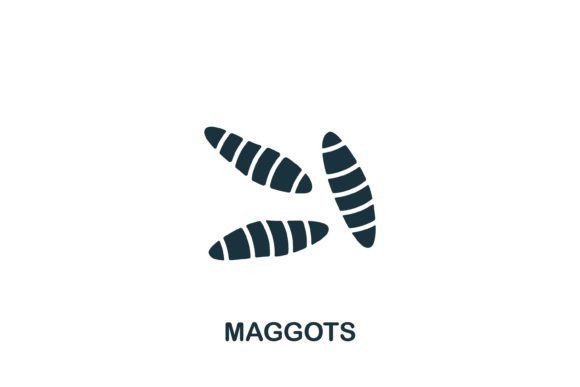
The Maggots Icon is a simple yet versatile line element that can be a valuable addition to your design toolkit. This fishing symbol, available in various vector formats (EPS, JPG, AI, SVG), is not just a graphic; it's a tool that can enhance your projects, from web design to infographics and beyond. Let’s explore how you can integrate the Maggots Icon into your workflows and make the most of its features.
Understanding the Maggots Icon and Its Versatility
The Maggots Icon is a minimalist design that captures the essence of a common fishing bait. Its simplicity makes it highly adaptable for different contexts, whether you are designing a logo, creating an infographic, or adding a subtle touch to a website. The icon’s clean lines and straightforward design ensure it fits seamlessly into various styles and themes.
Pre-Project Considerations
Before diving into your project, consider the following:
- Define the Purpose: Determine how the Maggots Icon will support your project’s goals. Is it for a fishing-themed website, a marketing campaign, or an educational infographic?
- Choose the Right Format: Select the file format that best suits your needs. EPS and AI files are ideal for scalable vector graphics, while JPG and SVG are more suitable for web and digital use.
- Compatibility Check: Ensure your design software supports the chosen format. Most modern design tools like Adobe Illustrator, Photoshop, and Canva can handle these file types.
Incorporating the Maggots Icon During Design
Once you have the necessary preparations in place, here’s how you can effectively use the Maggots Icon during your design process:
- Brainstorming and Sketching: Use the Maggots Icon as a starting point for brainstorming. Sketch out different ideas and placements to see how it can fit into your overall design.
- Integration with Other Elements: Combine the Maggots Icon with other design elements such as text, shapes, and colors. Its simplicity allows it to blend well with a wide range of visual components.
- Consistency and Quality Control: Maintain consistency in style and color throughout your design. The Maggots Icon’s clean lines make it easy to align with other elements, ensuring a polished look.
Post-Project Implementation and Long-Term Use
After completing your project, there are several ways to maximize the value of the Maggots Icon:
- Feedback and Iteration: Gather feedback from stakeholders and make any necessary adjustments. The icon’s ease of editing in vector formats allows for quick modifications.
- Reusability: Save the Maggots Icon in your design library for future projects. Its versatility means it can be repurposed across different platforms and media.
- Documentation and Sharing: Document the usage of the Maggots Icon in your project. This helps in maintaining a consistent brand identity and ensures that others in your team can easily use it in their work.
Practical Examples and Workflow Integration
Here are some practical examples of how the Maggots Icon can be integrated into different workflows:
- Web Design: Use the Maggots Icon as a subtle decorative element on a fishing-related website. Place it in the header, footer, or as a hover effect on buttons.
- Infographics: Incorporate the Maggots Icon into an infographic about fishing techniques or environmental impacts. Its simplicity can help highlight key points without overwhelming the viewer.
- Marketing Collateral: Add the Maggots Icon to brochures, flyers, and social media posts for a fishing gear company. It can serve as a recognizable and engaging element that ties the materials together.
Conclusion
The Maggots Icon is a powerful and flexible design element that can enhance your creative and business projects. By understanding its versatility, preparing adequately, and integrating it thoughtfully, you can create high-quality, visually appealing designs. Whether you are a professional designer, a marketer, or a hobbyist, the Maggots Icon offers a simple yet effective way to add a unique touch to your work.